Locus Robotics
Fulfillment AMRs
Locus Robotics AMRs are autonomous mobile robots that bring picks to warehouse associates, lifting picking productivity 2–3× on existing racking and staff without a rip-and-replace. Actel Robotics is a Locus Robotics implementation partner handling integration, workflow design, and rollout across Texas, Louisiana, and Oklahoma.
Actel Robotics is a Locus Robotics implementation partner. Locus autonomous mobile robots (AMRs) move through your warehouse and bring picks to your team — lifting picker productivity 2–3× without ripping out racking or replacing your people.
LocusBots in Action
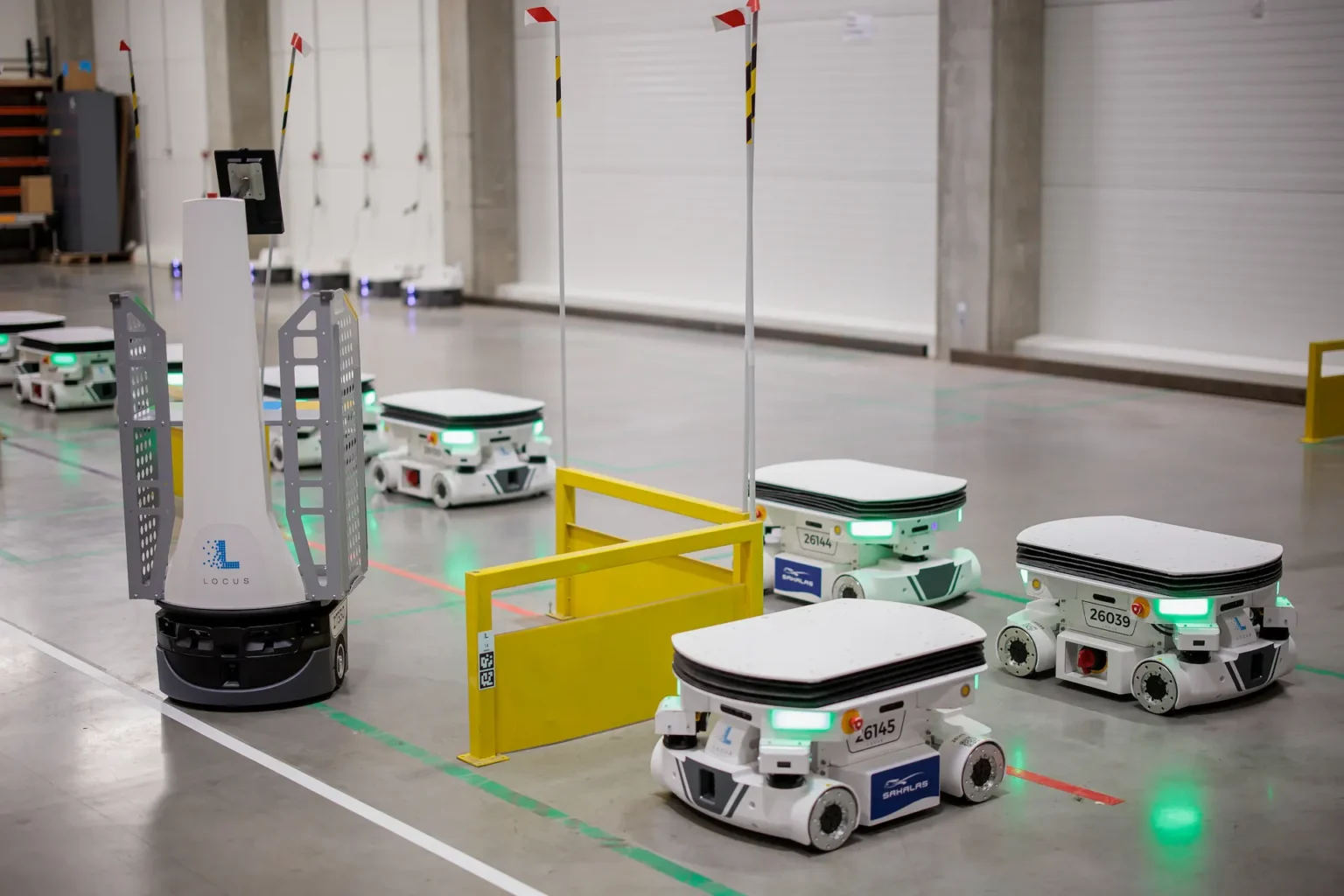
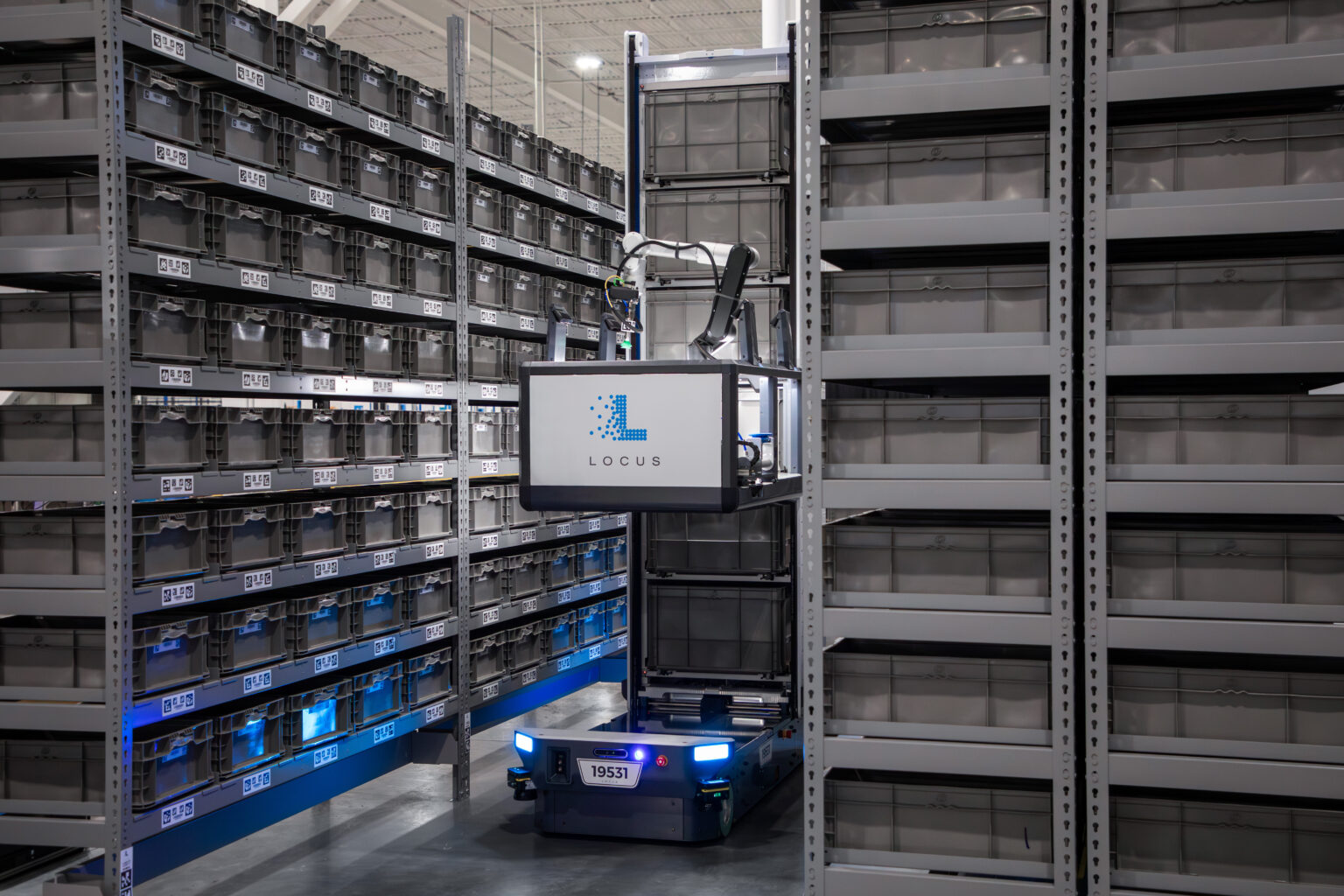
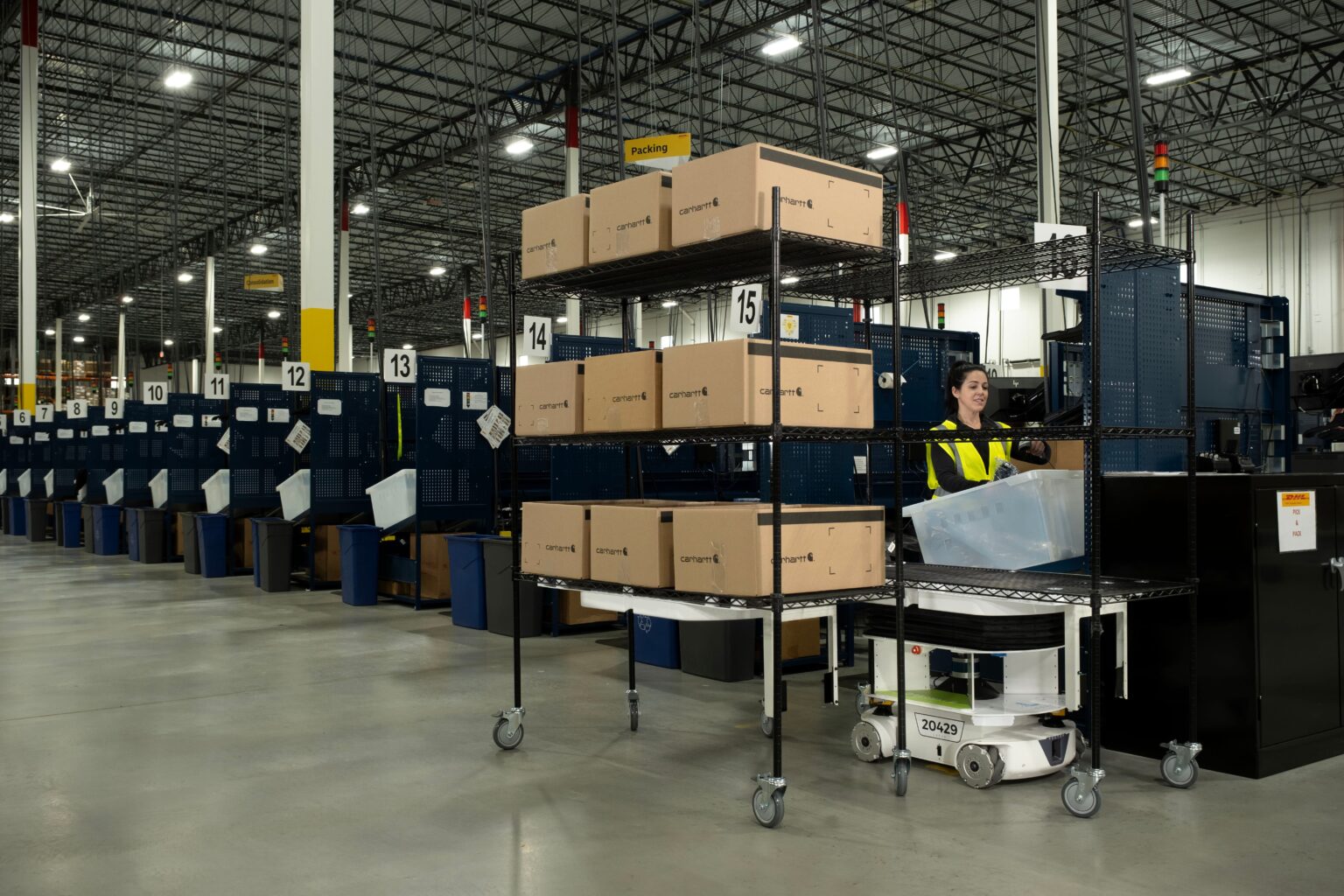
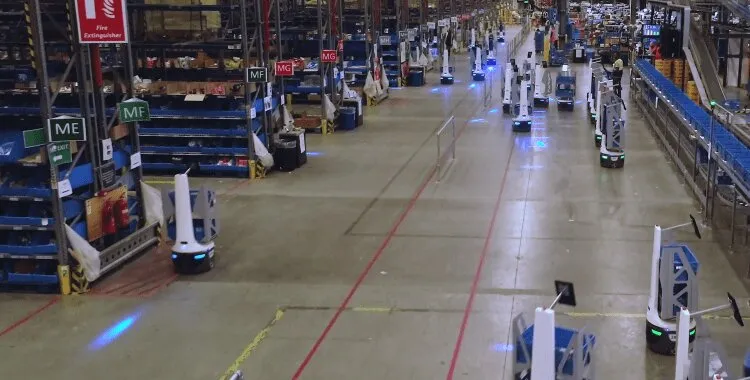
Order Fulfillment, Without the Walking
Locus autonomous mobile robots lift picking productivity 2–3× on your existing racking and workforce, and scale up or down with demand.
In a traditional pick operation, associates spend most of their shift walking the aisles. Locus flips that: a fleet of autonomous mobile robots travels to the pick locations and meets associates there, so your team picks and places instead of trekking miles of concrete every day. The result is a faster, calmer, far more productive floor.
Because LocusBots work alongside your existing racking and staff, there is no fixed conveyor to install and no months-long facility teardown. You can start with a handful of bots and scale the fleet up and down as volume changes — including renting extra capacity for peak season.
Your Implementation Partner, End to End
A great AMR deployment is 20% robots and 80% workflow. As your implementation partner, Actel handles the whole rollout — so the bots earn their keep from day one.
Site Assessment
We walk your facility, study order profiles and pick paths, and model the fleet size and zones that fit your throughput and budget.
Workflow & Slotting Design
We redesign pick zones, slotting, and put-away flows around the bots so associates and LocusBots meet at exactly the right place.
WMS / WES Integration
We connect Locus to your warehouse management and execution systems so orders flow to the floor automatically and in real time.
Training & Go-Live
We train your associates and supervisors, run a phased go-live, and stay on site through ramp-up so the transition is smooth.
Optimization
After launch we tune zones, fleet size, and workflows against your real data to keep lifting units-per-hour over time.
Local Support
Gulf-Coast-based support across TX, LA & OK — plus peak-season fleet expansion when your volume spikes.
Locus Robotics Technical Resources & Deployment Guide
As a Locus Robotics integration partner, Actel Robotics works from Locus's own published engineering and deployment materials. Where a spec isn't publicly disclosed, we say so rather than guess — exact figures for your facility come out of a free assessment.
Hardware & Sensors — a Fleet, Not One Robot
Locus sells purpose-built robots that work together under one orchestration layer rather than a single do-everything unit:
Locus does not publish Origin's top speed or weight, Vector's top speed, or Array's dimensions/weight on a primary spec page. We don't repeat unverified third-party numbers here — ask us for facility-specific detail.
Software & Integration — LocusONE
LocusONE is the orchestration platform underlying every bot model, connecting to your WMS via API and running on a dedicated Wi-Fi network kept separate from your existing infrastructure. Locus states integration experience with 50+ WMS systems; current published partner integrations include Logiwa, Thomax, Peak, Made4net, Tecsys, Savant WMS, and Barcodes Inc. LocusHub is the analytics layer on top — 24+ real-time reports and dashboards covering labor guidance, predictive work-completion forecasting, units/picks per hour, and per-robot and per-worker productivity, giving a supervisor a single "mission control" view of the floor.
Deployment Requirements
Locus states no reflooring, construction, or facility redesign is required, and robots work with standard existing racking and off-the-shelf totes. A dedicated Wi-Fi network is recommended, and floor-flatness matters for AMR performance the same way it does for any wheeled robot — worth a professional flatness assessment if your floor has known issues. Locus's own deployment team builds a digital facility map for navigation during onboarding. Published implementation timelines run 4–6 weeks from kickoff to go-live ("weeks not months"), with shorter 2–4 week pilot phases available to validate a workflow before a full rollout.
Safety & Compliance
Locus states its robots are "designed to meet or exceed all relevant industry safety standards" but does not name a specific certification (such as ANSI/RIA R15.08 or ISO 3691-4) on its public safety materials — a real gap in what's published, worth knowing going in rather than assuming. What is documented: multi-sensor obstacle detection combining cameras and LiDAR across the fleet (Vector adds a dedicated three-stage safety system), and a low-frequency Bluetooth worker tag that the robot detects on approach and that also switches its display to that associate's preferred language. Locus frames this as "Safety by Design" — removing associates from the heavy lifting and long walking distances that drive sprains and strains.
Maintenance & Support
Locus is sold almost exclusively as Robots-as-a-Service — a per-robot monthly subscription bundling design, integration, and ongoing monitoring/reporting/analytics, with no separate maintenance contract. Fleet size is elastic under RaaS: customers can add robots for seasonal peaks or return them to scale down. Locus does not publish an uptime SLA percentage or RaaS pricing publicly — both are quoted directly, which Actel can help you get an accurate number for.
Additional Verified Deployments
Locus's published case study reports a 3x increase in total cases picked, alongside improved order accuracy and faster implementation.
LocusBots run at 35+ DHL-managed sites worldwide, passing 500 million total picks in 2024 — with the pace accelerating: the first 10 million picks took 2.5 years, the most recent 100 million took just 154 days.
Locus reports a 300% productivity improvement at Maersk with faster 24-hour order fulfillment, and units-per-hour at Kenco Group rising from 30–40 to 120–150 per picker.
Locus reports a 230% productivity increase at ISN (deployed with Körber Supply Chain Solutions) and a 50% improvement at GEODIS using the Locus Vector.
Sourced from Locus Robotics' public product pages and datasheets (locusrobotics.com), plus independent reporting from Supply Chain 24/7, Robotics & Automation News, and the Association for Advancing Automation. Case-study figures are Locus's own reported results. Ask your Actel contact for facility-specific specs not covered here.
Locus Robotics AMRs — Frequently Asked Questions
What are Locus Robotics AMRs?
Locus autonomous mobile robots (AMRs) are self-navigating robots that move through your warehouse and bring picks to your associates, so workers assemble orders from a station instead of walking miles a day. Actel Robotics is a Locus implementation partner.
How much do Locus AMRs improve productivity?
Operations typically see 2–3× more picks per hour versus manual cart picking — shipping more orders per shift with the same team.
Do I need to redesign my warehouse for Locus?
No. Locus AMRs work within your existing racking and aisle layout — no fixed conveyor and no rip-and-replace. Actel handles slotting, WMS/WES integration, and a phased go-live so you keep shipping throughout.
Can a Locus fleet scale for peak season?
Yes. The flexible fleet model lets you add bots for holiday and promotional peaks and scale back afterward, without hiring and training proportional headcount. New associates learn the workflow in minutes.
Who is the Locus Robotics implementation partner in Texas?
Actel Robotics is a Locus Robotics implementation partner serving Texas, Louisiana, and Oklahoma, handling design, integration, training, and support from our Sugar Land headquarters.