Actel Robotics Texas City: Autonomous Inspection & Port Security for the Galveston Bay Industrial Zone
Serving Texas City, Galveston, La Marque, and the Galveston Bay petrochemical and port corridor
Actel Robotics — Texas City
(Serving from Sugar Land HQ)
Sugar Land, TX 77478
(713) 805-8140
sales@actelrobotics.com
Mon–Fri 8am–5pm · Clients 24/7
As a Sugar Land–based integrator, we're on-site in Texas City within 90 minutes for urgent support calls — the same day for assessments and project scoping.
No commitment required for your initial site assessment. We'll evaluate your facility, scope the deployment, and deliver a written proposal.
Request a Free Consultation →Autonomous Robotics
Expertise in Texas City
The Port of Texas City — handling dry bulk, liquid bulk, and project cargo — adds a maritime and logistics dimension to the industrial profile that brings its own inspection and security requirements: MARSEC protocols, TSA port security regulations, and the physical security demands of a working port with multiple vessel, truck, and rail access points. Actel Robotics deploys autonomous inspection and security systems across Texas City's industrial and port operations from our Sugar Land base, with specific familiarity with the regulatory environment and operational conditions that govern both the refining complex and the port.
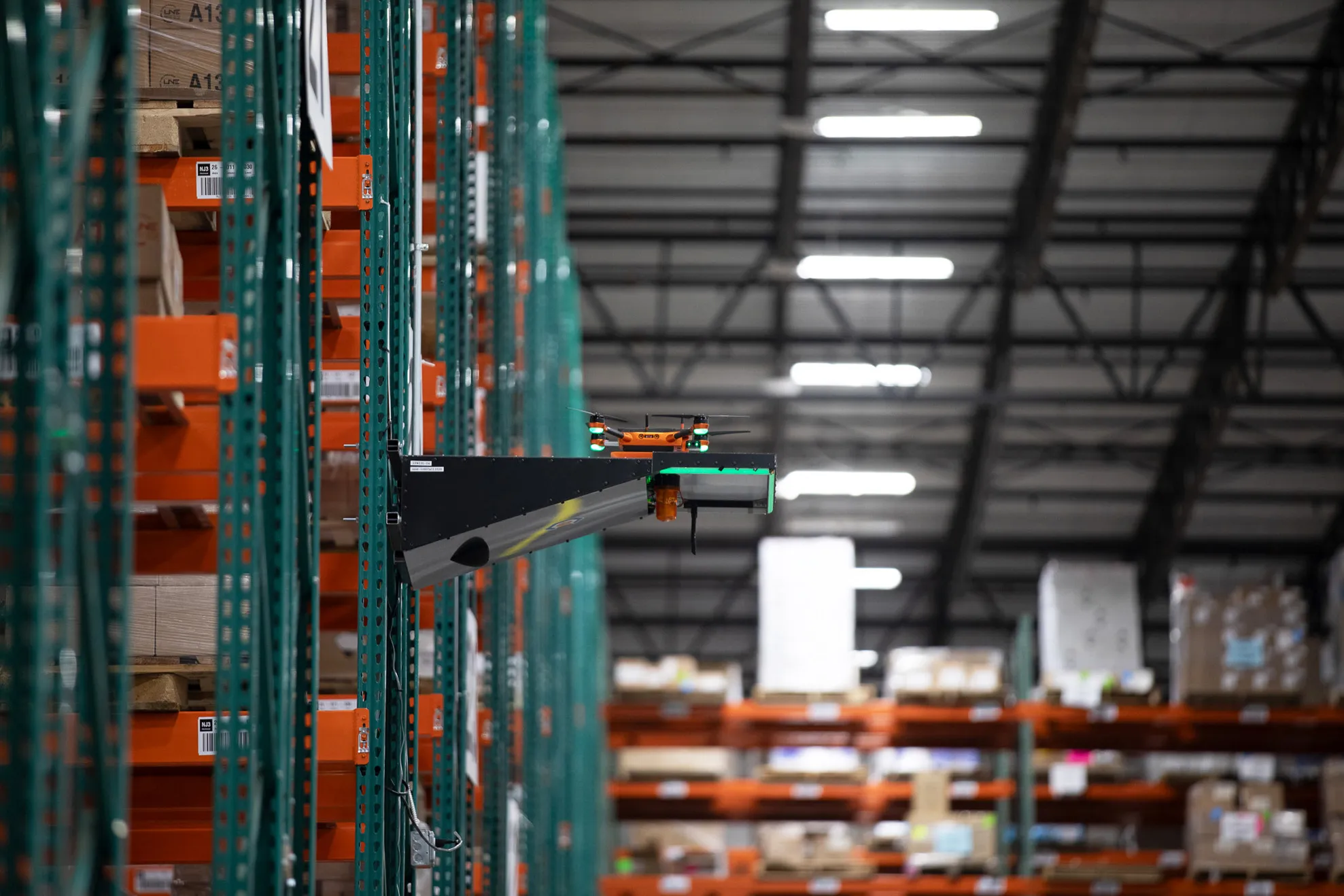
Autonomous inventory for refinery MRO, port cargo tracking, and industrial warehousing
Texas City's refining and chemical operations maintain complex spare parts and materials inventories in on-site storerooms whose accuracy is critical to turnaround planning and emergency maintenance response. Separately, the Port of Texas City's cargo handling and staging operations benefit from autonomous inventory systems that keep track of materials in large, challenging storage areas. Corvus One provides autonomous inventory management for both applications from the same platform.
- Deploy Corvus One in refinery MRO storerooms, industrial parts warehouses, and port cargo staging areas
- Integrate with SAP, Oracle, and port logistics management systems
- Configure for large industrial warehouse environments with high racking and wide aisles
- Provide Corvus One real-time inventory data with photographic documentation per location
- Support turnaround planning with pre-shutdown inventory verification and post-startup confirmation
- Prevents turnaround delays caused by parts inventory inaccuracies discovered at shutdown
- Provides documented cargo and parts inventory records for insurance and customs compliance
- Reduces emergency procurement costs at refinery-scale operations
- Supports port logistics with accurate inventory of staged materials and equipment
- Enables lean storeroom management that reduces inventory carrying costs without risking availability

Autonomous thermal, acoustic, and visual inspection for refinery and chemical operations
Texas City's industrial history — including the BP refinery incident of 2005 — has made this one of the most inspection-conscious industrial communities in the world. The area's major refineries, chemical operations, and the Galveston Bay chemical complex all operate under inspection programs whose quality is a matter of documented obligation, not discretionary effort. Boston Dynamics Spot provides autonomous inspection capability that improves inspection frequency, eliminates human exposure in hazardous zones, and generates the documented records that PSM, RMP, and mechanical integrity programs require.
- Deploy Spot for autonomous inspection of refinery units, chemical reactors, and electrical infrastructure
- Configure for hazardous zone operation — energized electrical, H₂S, high-temperature process areas
- Integrate with SAP PM, Maximo, and OSIsoft PI for trend analysis and work order generation
- Support post-incident investigation with historical inspection data and video documentation
- Provide remote inspection capability for the most hazardous areas in the facility
- Enables the inspection frequency that PSM mechanical integrity programs require but human programs struggle to sustain
- Provides documentation quality that withstands OSHA and EPA regulatory scrutiny
- Eliminates human exposure in the most hazardous inspection zones
- Supports the safety culture expectations of refineries operating under enhanced scrutiny
- Enables early anomaly detection that prevents the equipment failures that lead to process safety events
MARSEC and CFATS-compliant patrol for refinery and port operations
Texas City's combination of CFATS-regulated chemical facilities and MARSEC-regulated port operations creates a security documentation requirement more complex than most industrial communities face. Ghost Robotics Vision 60 generates patrol documentation compatible with both regulatory frameworks while covering the large, varied perimeters of Texas City's industrial and port facilities in all Gulf Coast weather conditions.
- Deploy Vision 60 for CFATS and MARSEC-compliant perimeter patrol documentation
- Configure routes covering refinery fence lines, port access points, and marine transfer facilities
- Generate patrol records formatted for CFATS SSP and MARSEC Facility Security Plan documentation
- Integrate with TWIC (Transportation Worker Identification Credential) access control systems at port facilities
- Provide Asylon aerial capability for rapid response to perimeter and port security events
- Generates continuous patrol documentation meeting both CFATS and MARSEC requirements
- Covers complex port perimeters with multiple vessel, truck, and rail access points
- Operates in Gulf Coast heat, humidity, and weather conditions without degradation
- Creates post-incident records for regulatory investigation — a particular concern given Texas City's history
- Reduces security labor costs while delivering higher patrol frequency and documentation quality

Robotics for Texas City's Key Sectors
Petroleum Refining
The area's major refineries require inspection programs whose quality reflects the industry's most stringent safety-culture expectations.
Learn more →Chemical Manufacturing
Galveston Bay chemical manufacturers require CFATS-compliant security and PSM-compliant inspection.
Learn more →Port of Texas City
Port operations require MARSEC security documentation and inspection coverage for marine transfer, cargo staging, and vessel access.
Learn more →Industrial Warehousing
Refinery MRO storerooms and port cargo warehousing benefit from autonomous inventory management.
Learn more →Power & Industrial Utilities
Power generation and utilities infrastructure supporting Texas City industrial operations requires continuous inspection.
Learn more →Industrial Construction
Capital projects at Texas City refineries and the port require site security programs appropriate to the high-hazard environment.
Learn more →Local Presence.
National Manufacturer
Authorization.
Texas City's industrial community operates under a heightened awareness of what is at stake when inspection and safety programs have gaps. Actel Robotics takes this operating context seriously — deploying systems that improve inspection frequency and coverage, generate the documented records that regulatory programs require, and reduce the human exposure that makes frequent inspection of hazardous zones so costly and inconsistent.
From Sugar Land, we can reach Texas City in approximately 45 minutes. Our team is equipped for the Gulf Coast refining and port environment and understands both the CFATS and MARSEC regulatory contexts that shape security program requirements at facilities in the Texas City/Galveston Bay corridor.
Questions from Texas City Operations Teams
More answers on our full FAQ page, or call us directly.
Autonomous order picking for Texas City's distribution and fulfillment operations
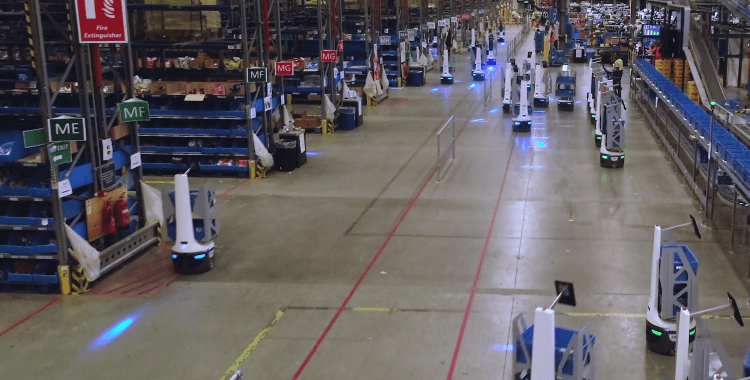
Beyond the plants and refineries, the distribution centers, 3PLs, and parts operations that keep Texas City-area industry supplied face constant pressure to ship more orders without adding headcount. As a Locus Robotics implementation partner, Actel deploys autonomous mobile robots that bring picks to your associates — lifting picking productivity 2–3× while working alongside the racking and team you already have.
- Deploy Locus autonomous mobile robots (AMRs) in your distribution or fulfillment center
- Design pick zones and slotting around the fleet for maximum throughput
- Integrate Locus with your WMS / WES so orders flow to the floor automatically
- Train associates and supervisors, then run a phased, low-risk go-live
- Scale or rent additional bots for peak season, then scale back down
- 2–3× more picks per hour versus manual cart picking
- Ship more orders per shift with the same headcount
- Onboard seasonal staff in minutes, not days
- No rip-and-replace — keep your existing racking and team
- Flexible fleet sizing handles holiday and promotional peaks
Measurable Robotics Results for Texas City Operations
What these platforms are proven to deliver in operations like those across Texas City and the surrounding region — the systems Actel Robotics deploys and supports.