
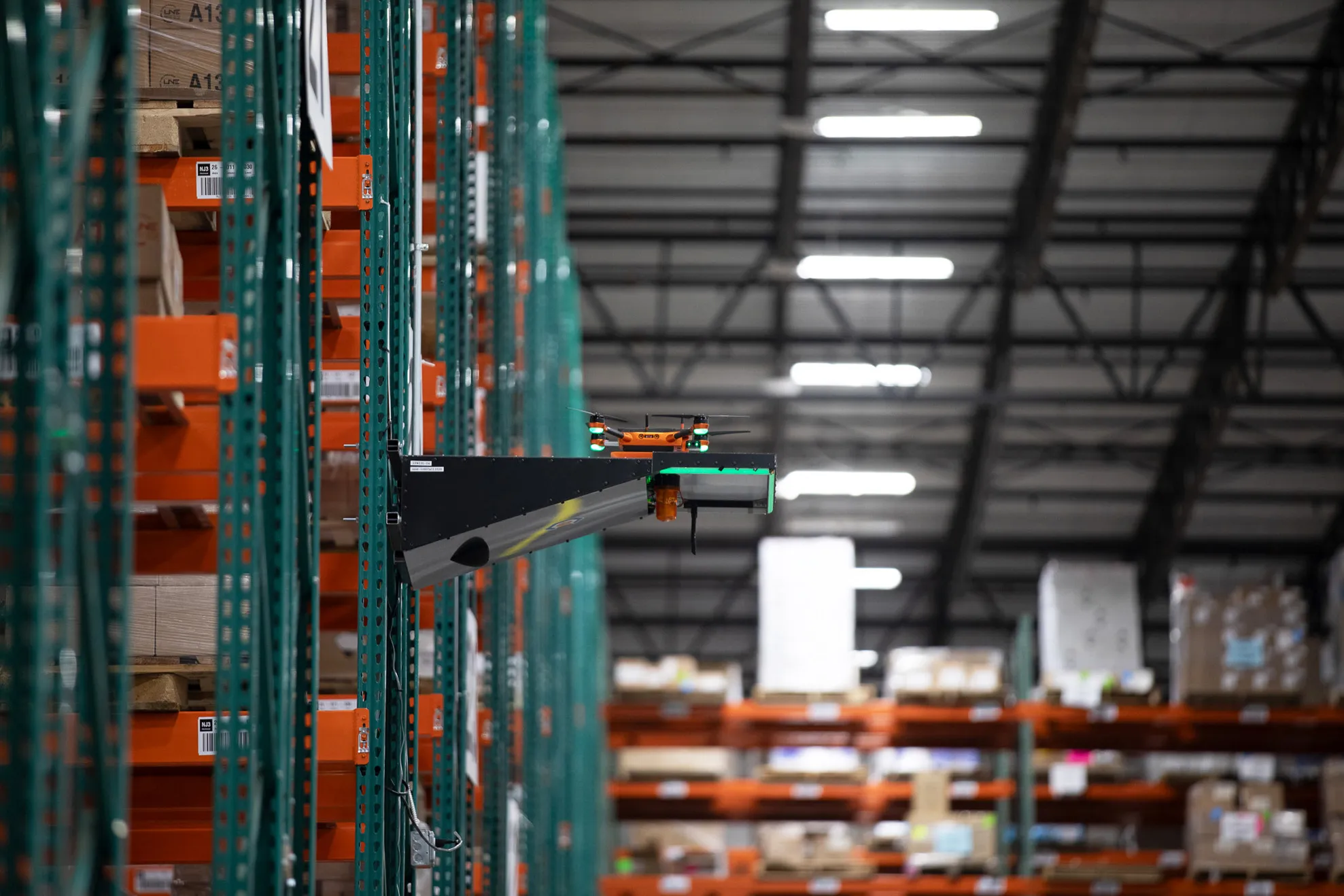
Two forces are converging on Texas warehousing at the same time, and together they are pulling automation forward by years. The first is reshoring and nearshoring: the multi-year shift of manufacturing and distribution capacity back toward North America and closer to the customers it serves. The second is tariff pressure, which raises the landed cost of imported goods and squeezes the margins operators have to work with. New capacity is going up, and it is going up under tighter economics than the buildings it replaces. That combination changes the automation conversation from "should we, eventually" to "how do we design this in now."
Why the New Capacity Is Landing in Texas and the Gulf Coast
Texas sits at the intersection of nearly every factor driving this shift. It is on the Mexico border, which makes it the natural landing zone for nearshored production moving north. It has major Gulf Coast ports and the pipeline and petrochemical base that anchors heavy industry. It reaches the entire central United States within a short transit, it has land to build on, and it has a deep industrial labor market. The result is new manufacturing and distribution capacity across the Houston metro, the Dallas and Fort Worth region, and the San Antonio to Austin I-35 corridor. Each new building is a fresh decision about how the facility will run, and increasingly that decision includes robotics from the start.
Tariffs Turn Automation From Optional to Structural
When tariffs raise the cost of goods, operators cannot always pass all of it through to customers. The margin has to be found somewhere, and warehouse operating cost is one of the few levers fully within the operator's control. Labor is the largest line in that cost, and it is also the hardest to staff reliably, a problem we covered in depth in the 2026 warehouse labor shortage. Automating inventory counting, order picking, inspection, and security does not just cut headcount cost; it makes the remaining spend predictable, which matters enormously when the top line is already under tariff pressure. Robotics-as-a-Service reinforces this by converting a capital decision into a steady operating expense that scales with the facility.
Greenfield Is the Cheapest Time to Automate
The single biggest advantage of the current building wave is that so much of it is greenfield. Automating a brand-new facility is materially easier and cheaper than retrofitting an old one, because the racking layout, the network, the docking and charging infrastructure, and the data systems can all be designed around the robots instead of worked around them. An operator commissioning a new distribution center this year can have autonomous inventory and fulfillment live from the first shift, with inspection and security layered on the same platform. Retrofits are absolutely still worth doing, but designing automation in from day one avoids expensive rework and starts returning value immediately. Our guide on how automated warehouse systems fit together lays out the layers to plan for.
What This Means If You Are Building or Expanding
If you are standing up new distribution capacity in Texas, Louisiana, or Oklahoma, the practical move is to bring an integrator into the design conversation early, not after the building is finished and the shelves are up. Actel Robotics is a warehouse and industrial robotics systems integrator based in Sugar Land, Texas. We assess the facility, design the automation layout around your building and your WMS, deploy and integrate the platforms, train your team, and optimize over time. Because we work under a Robotics-as-a-Service model, the program scales with the facility and lands as an operating expense that fits the tighter economics reshoring and tariffs impose. Our ROI calculators and compare robots tool are a fast way to pressure-test the numbers against your specific throughput and labor plan.
Reshoring and tariffs are not a temporary blip; they are reshaping where goods are stored and how much it costs to store them. The operators who treat the new building wave as a chance to automate from day one will run leaner and more accurately than the ones who wait and retrofit later. If you are planning new or expanded capacity on the Gulf Coast, contact Actel Robotics for a facility-specific assessment, and we will help you design the automation in before the concrete is poured.